


Gate Valves
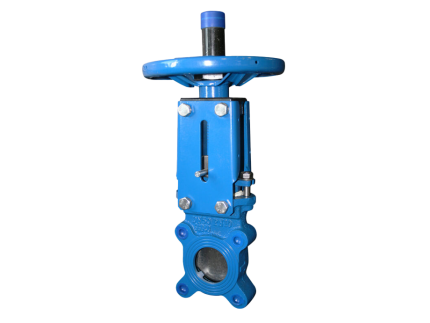
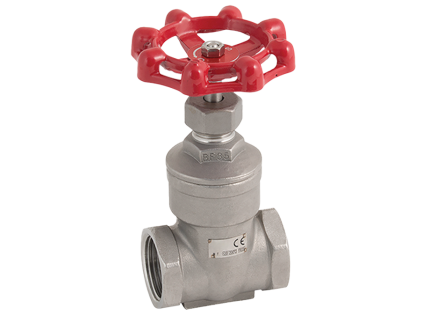
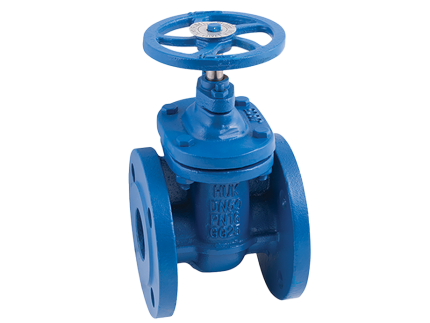
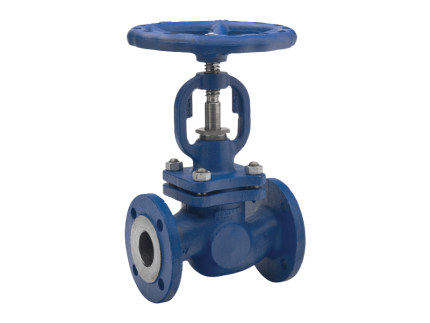
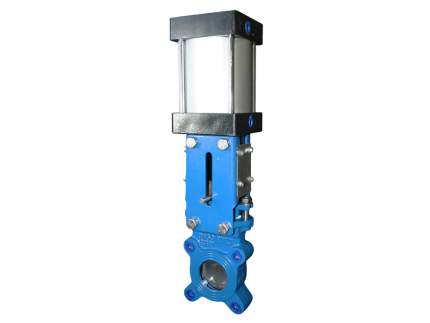
Gate valves are one of the most common valves in use today. Typically comprising of a body, bonnet, gate and stem. The gate is moved across the body by the stem, in a linear motion, which then shuts off the flow of fluid. Generally, gate valves will stop flow in either direction.
Although the torque requirements are low, the manual operating time is typically the longest of all valve types. The main advantage of a gate valve is that the gate fully retracts, resulting in full and uninterrupted flow with minimal pressure drop. Due to the full gate retraction, the overall body size is larger than other types of valves.
Extensively used as an isolation valve for water, steam, gas and oil. Partial opening and closing for regulation purposes is not advised. All types of gate valves are available with manual operation, or via actuation.

Cast Iron Gate Valve Table E
- Flanged Ends Type BS10 Table E
- Handwheel Operated
- Cast Iron Body and Bronze Trim
- -10°C to +120°C
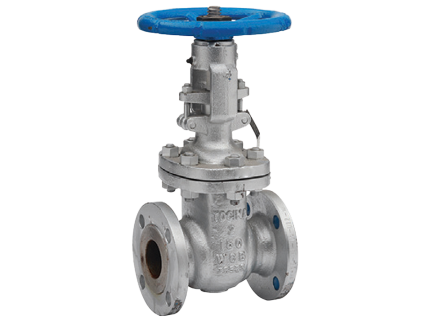
Cast Steel Gate Valve Flanged PN16
- A216 Gr WCB Body
- Trim 13% Cr +HFS, OS+Y
- Bolted Bonnet
- Handwheel Operated
- Design to API600
- Drilled PN16
- -29°C to 425°C
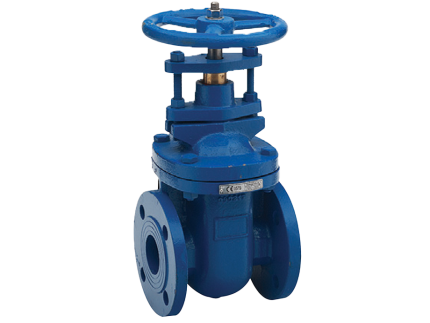
Ductile Iron Metal Seat Gate Valve
- Flanged Ends Type PN16
- Handwheel Operated
- Ductile Iron Body and Wedge
- Metal Seat
- BS 5163 Pt 1 & 2:2004 & EN1171:2002
- -10°C to +70°C
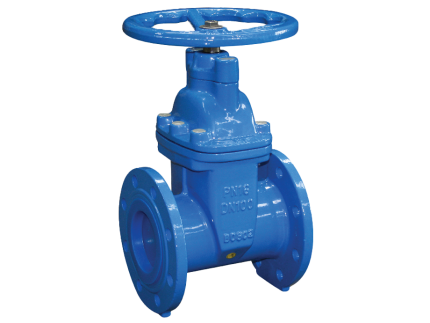

Ductile Iron Resilient Seat Gate Valve
- Flanged Ends Type PN16
- Handwheel Operated
- Ductile Iron Body and Wedge
- EPDM Encapsulated Ductile Iron Seat
- BS 5163 Pt 1 & 2:2004 & EN1171:2002
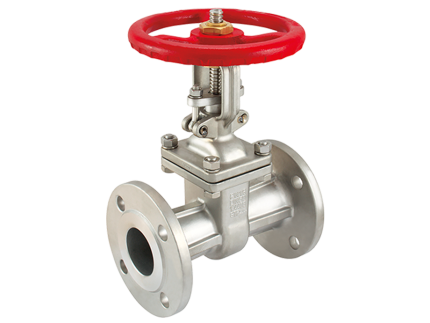
Stainless Steel Gate Valve Flanged PN16
- CF8M Stainless Steel Body, Bonnet and Wedge
- Rising Stem
- Handwheel Operated
- Drilled PN16
- -20°C to 180°C