

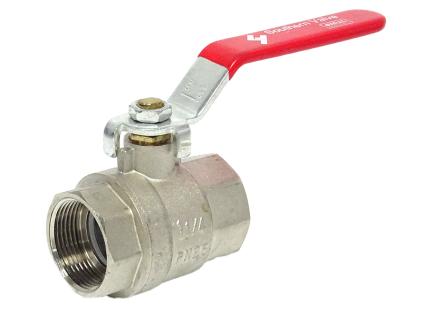
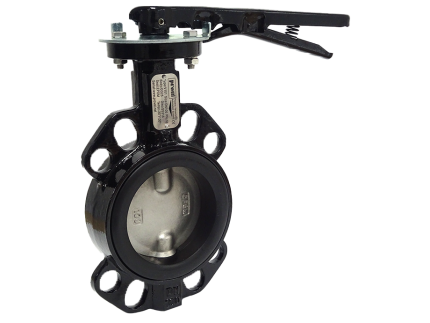
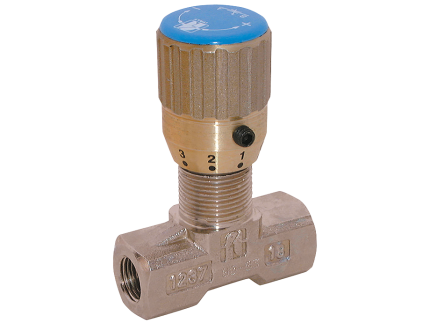
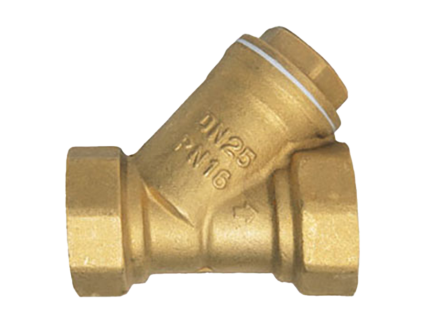
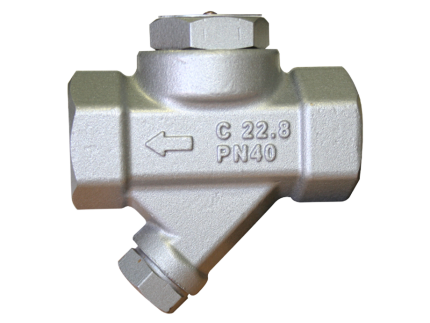
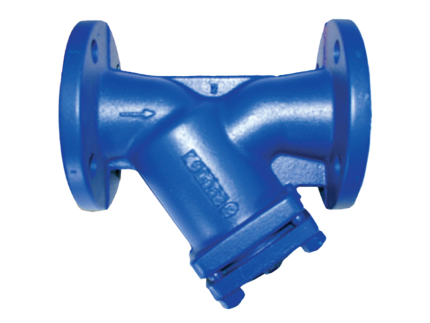
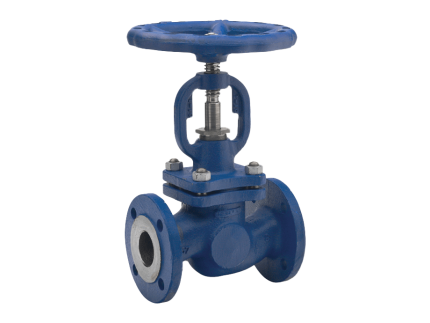
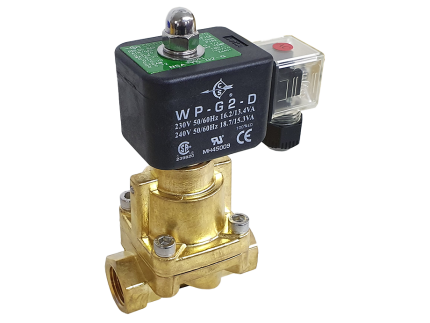



A vacuum breaker is a safety device that prevents a vacuum (negative pressure) from forming in a piping or steam system.
Its main job is to allow air into the system when pressure drops below atmospheric pressure.
Why vacuum is a problem
When steam condenses back into water, its volume shrinks dramatically. That can create a vacuum inside equipment or pipework.
A vacuum can cause:
- Collapsed tanks or coils
- Water hammer
- Poor condensate drainage
- Siphoning/backflow
- Damage to heat exchangers
- Contamination of potable water systems
How a vacuum breaker works
A vacuum breaker usually contains:
- A spring-loaded valve, ball, or disc
- An air inlet
Normal operation
- When system pressure is positive, the valve stays closed.
When vacuum forms
- The pressure inside drops below atmospheric pressure.
- The valve opens automatically.
- Air enters the system.
- Pressure equalizes.
- The valve closes again once normal pressure returns.
Common uses
In steam systems
Installed on:
- Heat exchangers
- Steam coils
- Jacketed vessels
- Unit heaters
This prevents condensate from being held up by vacuum.
In plumbing systems
Used to prevent contaminated water from being sucked backward into clean water supplies.
Common on:
- Hose bibs
- Irrigation systems
- Commercial kitchens
- Boilers

Reviews
There are no reviews yet.